Liliana Watercolor and Patterns
As a graphic designer with years of experience in branding, marketing visuals, and digital design assets, I’ve come across countless creative resources. Liliana Watercolor stands out as a unique and versatile addition to any design toolkit. Its soft, flowing textures and delicate hues evoke a sense of elegance and warmth that can elevate a wide range of projects—from handmade businesses to seasonal campaigns.
The First Impression: A Soft, Artistic Mood
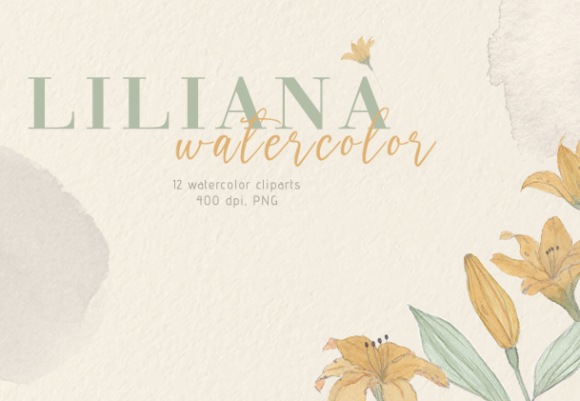
Liliana Watercolor immediately conveys a gentle, artistic mood. The watercolor style feels organic, almost hand-painted, which makes it ideal for projects that aim to feel personal, nostalgic, or artisanal. This aesthetic aligns well with small business branding, Etsy products, or print-on-demand items that rely on visual appeal to stand out in a crowded market.
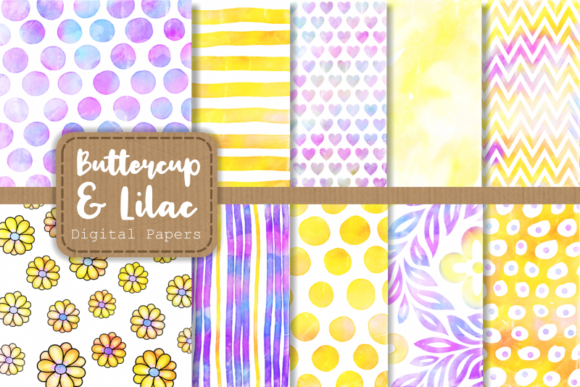
The patterns within the set are subtle yet expressive, offering a range of options from abstract brushstrokes to more structured floral motifs. Each element carries a sense of movement and fluidity, making it perfect for designs that require a touch of creativity without overwhelming the viewer.
Real-World Applications: From Branding to Social Media
In real design situations, Liliana Watercolor proves to be a flexible asset. It works well in logo design when used as a background or accent, adding depth and character without overshadowing the main text. For brand identity, it can serve as a supporting visual element that reinforces the overall tone of a business—especially for handmade brands, boutique product lines, or seasonal campaigns.
Product labels and packaging design benefit from the soft, painterly look of Liliana Watercolor. It adds a refined touch that can make a product feel more exclusive or crafted by hand. Similarly, in t-shirt design, mug art, or tote bag graphics, the watercolor elements provide a visually appealing contrast to solid colors or typography.
For social media graphics, Liliana Watercolor can be used as a hero graphic or background for Instagram posts, Pinterest pins, or Canva templates. Its visual appeal helps draw attention while maintaining a cohesive look across different platforms. In editorial design, it can act as a decorative element in blog visuals or magazine layouts, enhancing the storytelling aspect of the content.
Where Liliana Watercolor Excels
This design asset shines in large layout areas, such as website banners, product mockups, or campaign visuals. Its intricate details and soft edges make it ideal for decorative accents that add visual interest without disrupting the overall composition. It also works well in themed collections, where a consistent aesthetic is key to creating a unified brand experience.
For printable designs, Liliana Watercolor offers a beautiful backdrop for wall art, stickers, or downloadable graphics. Its versatility allows it to be adapted for both digital and physical formats, making it a valuable resource for designers working on commercial design or print-on-demand projects.
When to Use It with Caution
While Liliana Watercolor is a powerful tool, it’s important to consider its limitations. In small sizes, the details may become too faint or lose their impact, especially when used in icons, buttons, or low-resolution outputs. In crowded layouts, the soft textures can clash with other design elements, leading to a cluttered appearance.
Low-contrast designs may struggle to maintain visual hierarchy when paired with this asset, so careful placement is essential. Minimalist branding or professional corporate materials often require clean, modern design elements that don’t interfere with the clarity of the message. In these cases, Liliana Watercolor might not be the best fit unless used sparingly as an accent.
Impact on Readability and Brand Consistency
One of the most critical factors in any design project is readability. Liliana Watercolor, while visually appealing, should be used in a way that doesn’t compromise the legibility of text or other key elements. When placed behind headings or body copy, it should not distract from the primary message but instead enhance the overall aesthetic.
Brand consistency is another area where this asset can have a significant impact. If a brand relies on a strong, modern identity, Liliana Watercolor must be integrated carefully to maintain a cohesive look. However, for brands that embrace a more artistic or whimsical approach, it can be a valuable tool in reinforcing the desired visual language.
Practical Designer Notes: What to Check Before Using
Before using Liliana Watercolor for a client project, there are several practical considerations to keep in mind. Test it in black and white to see how it performs without color. Check the contrast on both light and dark backgrounds to ensure it remains visible and effective in different contexts.
Preview the asset at small and large sizes to understand how it scales. Place it on real mockups to see how it interacts with other design elements. Test print quality if it will be used for physical products like t-shirts or mugs. Review the file formats provided—whether PNG, SVG, or other—ensuring they meet the project’s requirements.
If transparency is involved, inspect the PNG design for clean edges. For vector-based assets like SVG design, confirm that they are editable and scalable. Compare the watercolor style with different font types, such as serif, sans serif, script, or display fonts, to find the best combination for the project.
Finally, always verify the commercial license before using the asset for a client or business project. Ensure that the rights allow for the intended use, whether it’s for print-on-demand, digital products, or commercial design.
Conclusion: A Versatile Asset for Creative Projects
Liliana Watercolor is more than just a design asset—it’s a creative tool that can bring warmth, texture, and personality to a wide range of projects. Whether you’re working on a handmade business, a seasonal campaign, or a digital product launch, this watercolor set offers a unique visual language that can help your designs stand out.
By understanding its strengths and limitations, designers can use Liliana Watercolor effectively to enhance the visual mood, support brand identity, and create a more polished final result. With careful consideration and thoughtful application, it can become a valuable part of any design workflow, especially for those working in the creative marketplace.