Poppies and Wooden Signs Clipart: A Designer’s Practical Review
As an experienced embroidery designer and product reviewer, I always look for designs that not only spark inspiration but also deliver in real-world applications. When I first saw Poppies and Wooden Signs Clipart, it struck me as a versatile illustration with potential across multiple creative projects. Let me walk you through my evaluation from the perspective of someone who uses these kinds of digital assets daily.
First Impressions: Mood and Visual Personality
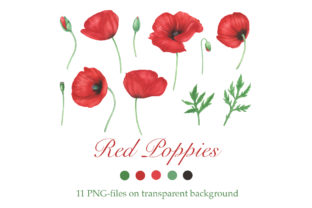
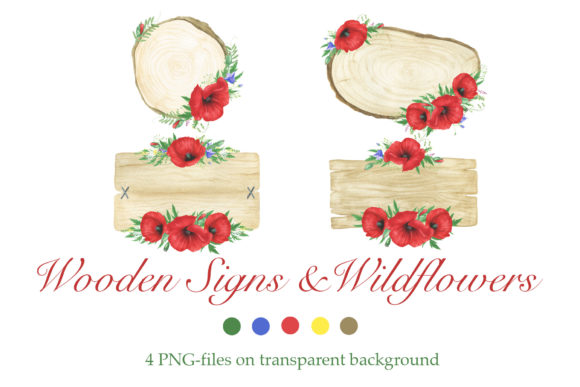
The Poppies and Wooden Signs design immediately evokes a rustic, handcrafted aesthetic. The poppies are rendered with soft curves and stylized petals, while the wooden signs add a charming vintage touch. Together, they create a warm and inviting visual language — perfect for those looking to craft products with a cottagecore or Americana vibe.
This is not a hyper-detailed illustration, which is a plus in many embroidery contexts. It has enough character to stand out without being overwhelming, and its layout feels balanced and intentional. The theme works well for both subtle accents and bolder statements depending on how you choose to stitch it.
Where This Design Naturally Fits
- Custom apparel: Sweatshirts and tote bags benefit from this design's gentle, organic lines. It can be placed along the bottom hem or centered for a nostalgic feel.
- Baby items: The softness of the poppies makes them ideal for baby clothes or nursery decor when paired with pastel thread colors.
- Aprons and kitchen towels: The wooden sign element adds a farmhouse flair, making it a great fit for apron pockets or tea towel borders.
- Holiday gifts: For seasonal stitching, such as Easter or Mother’s Day, the design can be adapted by changing text or color schemes.
- Etsy sellers and boutique branding: The clipart fits seamlessly into handmade product mockups and brand visuals, especially if your shop leans toward cozy, artisanal themes.
Real-World Embroidery Performance
When evaluating any machine embroidery design, I consider how it will perform after stitching. Poppies and Wooden Signs Clipart holds up well on medium-weight cotton and linen blends, where the poppy outlines remain crisp and the wooden textures maintain their definition.
For sweatshirt embroidery, the design benefits from using a light stabilizer to prevent distortion. The poppies work particularly well with satin stitch outlines, while the signs can be stitched with fill stitches for a dimensional effect. If you're creating an embroidered patch, this design could easily become a standalone decorative piece for backpacks or denim jackets.
In terms of thread colors, the original palette complements most light-colored fabrics. But as a designer, I recommend experimenting with different shades to match your product line or client preferences. A black and white version might be more suitable for darker garments or minimalist aesthetics.
What Works Well
- Handmade product appeal: The design feels authentic and hand-picked, which aligns with the values of many small businesses and hobbyists.
- Giftability: Customers often gravitate toward designs that tell a story or evoke emotion. This one does both subtly, enhancing the perceived value of personalized gifts.
- Brand consistency: If your business focuses on natural, earthy themes, this design helps reinforce your identity across products like pillow covers or holiday tags.
- Professional finish: Even in digital form, the illustrations suggest quality and care — a must-have for Etsy sellers and commercial embroiderers alike.
Use With Caution: Key Limitations
While Poppies and Wooden Signs Clipart is a solid choice for many projects, there are specific situations where it may require extra attention:
- Small hoop sizes: The design includes some delicate details that can get lost in tight spaces. If you’re working with limited room, simplify or scale down the elements carefully.
- Textured or stretchy fabric: On materials like felt or knits, the fine lines and curved shapes might not stitch cleanly unless you adjust stitch density or use a stabilizer.
- Dense stitch areas: The wooden texture requires careful management of stitch density to avoid puckering or stiffness, especially on thin or layered garments.
- Dark fabric backgrounds: Thread contrast becomes critical here. Consider using metallic or white threads to make the design pop against darker bases.
- Curved surfaces (e.g., caps): The shape and orientation of the design may need to be adjusted to accommodate the curvature of the item.
It’s also worth noting that the design contains no tiny lettering or intricate patterns that would challenge older machines or less skilled users. That said, if you're aiming for a high-detail embroidered project, this might not be the best option.
Design Notes for Maximum Impact
Before committing to a full run of custom products, I always test the design on scrap fabric. Here are my top tips for doing so effectively:
- Try the design on several fabric types to see how it behaves under tension.
- Review the stitch count and spacing — if the file isn’t optimized, you’ll want to tweak it before mass production.
- Check whether the design supports both personal and commercial embroidery use. Licensing details are crucial if you plan to sell finished items or include the design in your own digital product previews.
- Inspect the corners and edges for clean transitions between fill stitch and running stitch areas.
- Test it in black and white to ensure clarity regardless of color choices.
Visual Appeal and Customer Engagement
One of the things I appreciate most about this design is its visual appeal. It doesn’t shout for attention; instead, it invites a closer look. That subtlety can be powerful in customer engagement — people tend to remember and return to products that have personality without being over the top.
As a practical designer, I’ve found that customers respond positively to designs that feel like they were made just for them. Whether it’s a personalized gift or a boutique-style tote bag, Poppies and Wooden Signs Clipart offers that charm. Its handmade presentation elevates the overall look of the finished product, even when machine-stitched.
Enhancing Product Value and Trust
Using a well-designed embroidery file like this one can significantly enhance the perceived value of your products. It shows that you’ve put thought into the details, which builds trust with your audience. As an Etsy seller, I know that professional-looking printable mockups can increase buyer confidence and conversion rates.
That said, don’t rely solely on the design’s aesthetic. Make sure it matches your brand voice and product niche. For example, while it works beautifully on a tote bag design, it may not be the best fit for a sleek tech accessory or modern sportswear.
Final Thoughts for Creative Entrepreneurs
If you’re considering adding Poppies and Wooden Signs Clipart to your collection of design assets, it’s definitely worth exploring. Just approach it with a clear understanding of its strengths and limitations. Use it on stable, medium-weight fabrics where its charm can shine, and avoid applying it to tricky materials without testing.
Remember to confirm the licensing before selling any small shop product featuring the design. You wouldn’t want to risk a copyright issue later, especially if you're planning to offer it as a digital download or part of a larger kit.
Overall, this is a reliable and attractive applique design that can be used creatively across a wide range of projects. From holiday gifts to nursery decor, it brings a sense of warmth and authenticity that resonates with today’s craft-focused market.
So go ahead — try it out on a sample embroidery project, and see how it transforms your next creation. Just keep in mind that thoughtful preparation and testing are key to unlocking its full potential.