Safari Animals Clip Art and Illustrations
As a brand designer and content marketer, I always look for creative design elements that can elevate a campaign without overwhelming the audience. Safari Animals Clip Art is one such graphic design asset that offers a unique blend of whimsy and professionalism. When used thoughtfully, it can add personality to branding, marketing visuals, and digital product designs while maintaining a cohesive aesthetic.
The First Impression: Nature Meets Creativity
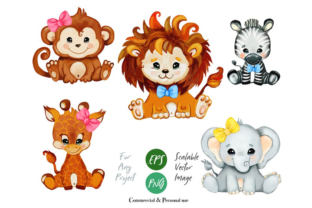
Safari Animals Clip Art immediately evokes a sense of adventure and playfulness. The illustrations are clean, well-drawn, and rich with detail, making them ideal for brands that want to connect with an audience looking for a fresh, nature-inspired vibe. Whether you're targeting parents, educators, or eco-conscious consumers, this design asset can help set the tone for your messaging.
The emotional tone of these illustrations leans toward warmth and approachability. They’re not too bold or too subtle, which makes them versatile for both casual and premium branding. You could use them in handmade product packaging, lifestyle content, or even editorial graphics without feeling out of place.
Real-World Applications in Branding and Marketing
When I tested Safari Animals Clip Art in real marketing scenarios, it performed well across multiple platforms. For instance, in a recent campaign for a small business launching a seasonal line of children's books, the clip art added visual interest to social media graphics and email banners without distracting from the main message.
It also worked well in packaging design and product labels. The illustrations were crisp enough to be printed on inserts and stickers, and they paired nicely with both modern and traditional fonts. In Canva templates, they provided a strong visual anchor, helping users create consistent branding across different projects.
For content creators, these illustrations are a great addition to a design bundle. They can be used in blog graphics, website headers, and lead magnets to reinforce brand identity and make content more engaging. Their versatility allows them to fit into a wide range of creative design workflows.
Supporting Marketing Goals with Visual Consistency
One of the biggest challenges in branding is maintaining visual consistency across all touchpoints. Safari Animals Clip Art helps with that by offering a recognizable visual element that can be reused across campaigns. This consistency builds stronger recognition and reinforces audience trust.
These illustrations also support better product presentation. When used in digital ads or social media posts, they can highlight key features of a product or service without cluttering the design. They work well as decorative brand elements, adding a layer of creativity without overpowering the main message.
From a content marketing perspective, they help create more memorable campaign visuals. Whether you're designing Pinterest graphics, Instagram posts, or event flyers, the right illustration can make your content stand out in a crowded feed.
Where Safari Animals Clip Art Shines
This graphic design asset excels in hero graphics, campaign headers, and branded templates. It’s perfect for product launch visuals where you need something eye-catching but not too busy. In content bundles, it adds value by providing ready-to-use design elements that save time and effort.
For editorial layouts and promotional banners, Safari Animals Clip Art brings a sense of energy and storytelling. It works well in digital ads and web design, especially when paired with a clean, modern layout. As a printable design, it’s ideal for downloadable resources like worksheets, planners, or activity kits.
Where to Use with Caution
While Safari Animals Clip Art is versatile, there are situations where it may not be the best choice. In formal corporate branding, for example, it might feel too playful or informal. If your brand has a minimalist aesthetic, this asset could clash with the overall design.
It should also be used carefully in dense information layouts or small mobile graphics. On low-contrast backgrounds, the details may not show up as clearly, and in text-heavy ads, it could compete with the main message. Always test it in real campaign mockups before finalizing any design.
Practical Designer Notes for Success
Before incorporating Safari Animals Clip Art into your workflow, test it with your brand color palette. Ensure that the colors complement your existing visuals and don’t clash with your logo or other design elements. Check how it looks in black and white, as some illustrations may lose their impact when converted to grayscale.
Preview it on mobile screens to ensure readability at smaller sizes. Compare it against competitor visuals to see how it stands out. Review how it pairs with different font styles—serif, sans serif, script, or display fonts—to find the best match for your brand voice.
Also, confirm the commercial license before using it in paid campaigns, client work, or business branding. Make sure the design assets are available in SVG and PNG formats for maximum flexibility. Finally, review spacing and balance to ensure the illustrations don’t overwhelm the composition.
Why Safari Animals Clip Art Matters for Small Business Branding
For small business owners and creative entrepreneurs, Safari Animals Clip Art is a valuable addition to any design toolkit. It’s a cost-effective way to enhance your marketing visuals without sacrificing quality. Whether you're building a content kit, designing packaging inserts, or preparing a digital campaign, this asset can help you create a more professional and engaging brand presence.
In the creative marketplace, where competition is fierce, having high-quality design assets like Safari Animals Clip Art can give you an edge. They allow you to produce visually appealing content faster, helping you stay consistent and focused on your marketing goals.
Ultimately, Safari Animals Clip Art is more than just a collection of illustrations—it's a powerful tool for visual storytelling, brand communication, and audience engagement. With the right approach, it can become a cornerstone of your design strategy and help you build a stronger, more recognizable brand.