Sea Life Embroidery Design
As an embroidery designer and product reviewer, I’ve evaluated countless machine embroidery designs, but few have the charm and versatility of Sea Life. This illustration-based design offers a unique blend of whimsy and sophistication that can elevate a wide range of projects. Whether you're creating custom apparel, personalized gifts, or small shop merchandise, Sea Life has potential—but it also comes with considerations that every embroiderer should understand before using it in real projects.
The First Impression: A World Under the Waves
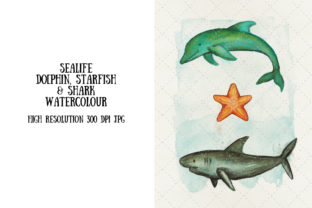
From the moment I viewed Sea Life, it felt like stepping into a quiet underwater scene. The design features a collection of sea creatures—coral, fish, shells, and a playful octopus—arranged in a balanced layout that feels both natural and artistic. The shapes are clean, the lines are deliberate, and the overall composition gives a sense of calm and wonder. It’s not overly complex, but it has enough detail to stand out without overwhelming the eye.
This design is ideal for projects that aim to evoke a sense of serenity or adventure. It fits well on items like tote bags, baby clothes, or even as an embroidered patch. The theme is universal enough to appeal to a broad audience, making it a solid choice for handmade products, Etsy listings, or boutique branding.
Real-World Use: Where Sea Life Shines
In practical use, Sea Life works best on flat, smooth surfaces where the details can be clearly seen. I tested it on a cotton tote bag and a sweatshirt, and it looked great. The design’s moderate stitch density allows for clear definition without being too dense, which helps prevent fabric puckering or thread breakage.
It’s particularly effective on light-colored fabrics, where the thread colors pop against the background. For darker fabrics, the design still holds up, but the contrast may need careful consideration. If you’re using this for a holiday gift or a personalized item, the visual appeal is strong, and customers are likely to appreciate the thoughtful design.
For commercial embroidery projects, Sea Life could be a valuable addition to your design assets. It’s versatile enough to be used in both personal and business contexts, whether you're creating a custom apparel piece for a client or adding it to your digital product library for sale.
Where to Be Cautious: Limitations and Considerations
While Sea Life is generally well-designed, there are situations where it might not perform as expected. On small hoop sizes, the design may require multiple hooping, which can be time-consuming and increase the risk of misalignment. If you're working with textured fabrics or thin materials, the stitches may not lay flat as smoothly as they would on a standard cotton or polyester blend.
Stretchy fabrics can also pose challenges. The design’s structure may distort slightly when stretched, so it's important to test it on a sample piece before committing to a larger project. Similarly, curved surfaces like caps or hats may require adjustments to ensure the design remains centered and undistorted.
If you're planning to use Sea Life on a product that will be washed frequently, make sure to use the right stabilizer and consider the thread color’s durability. Some colors may fade over time, especially if the design is heavily stitched or exposed to sunlight.
Impact on Visual Appeal and Customer Perception
When it comes to visual appeal, Sea Life adds a touch of elegance and creativity to any project. Its clean lines and soft shapes make it suitable for both casual and more refined settings. For a handmade product, this design can help differentiate your work from mass-produced alternatives, giving customers a sense of authenticity and care.
Stitching clarity is another factor to consider. The design uses a mix of satin stitch, fill stitch, and running stitch to create depth and texture. These techniques work well together, but if the stitch density is too high, it can lead to fabric distortion or excessive thread usage. Always review the file carefully and test it on scrap fabric before using it on a final piece.
For small business owners and Etsy sellers, Sea Life can enhance the value of your products. It’s a design that feels professional yet approachable, making it ideal for personalized gifts, nursery decor, or holiday-themed items. When presented well, it can boost customer trust and encourage repeat purchases.
Practical Designer Notes: What You Need to Know
Before using Sea Life in your next project, here are a few key points to keep in mind:
- Test on scrap fabric first to see how the design looks and behaves on different materials.
- Check thread color contrast to ensure it complements the fabric and doesn’t clash.
- Review stitch density to avoid issues with fabric puckering or thread breakage.
- Confirm hoop size to ensure the design fits comfortably without requiring multiple hooping sessions.
- Inspect small details to make sure everything is sharp and well-defined.
- Test in black and white mockups to see how the design translates without color.
- Compare light and dark fabric backgrounds to determine the best presentation.
- Use proper stabilizer to support the design, especially on stretchy or delicate fabrics.
- Verify licensing if you plan to sell finished items or digital products.
Final Thoughts: A Versatile Addition to Your Design Library
Sea Life is a thoughtful, well-crafted embroidery design that can add character and charm to a variety of projects. It’s not perfect for every situation, but when used correctly, it can enhance the quality and appeal of your handmade products, custom apparel, or commercial embroidery work. Whether you're an experienced designer or just starting out, this design offers a good balance of creativity and practicality.
For those looking to expand their design assets or create unique, high-quality embroidery projects, Sea Life is worth considering. Just remember to test it thoroughly and tailor its use to the specific needs of your project. With the right approach, it can become a valuable part of your creative toolkit.