Watercolor Ribbons: A Soft, Stylish Embroidery Design
As an embroidery designer and product reviewer, I’ve evaluated countless machine embroidery designs. Watercolor Ribbons stands out for its gentle, artistic vibe and versatility in real-world projects. Whether you're creating custom apparel, personalized gifts, or small business merchandise, this design offers a unique visual appeal that can elevate your work. But like any design, it has its strengths and limitations that need to be considered before use.
The First Impression: Mood and Visual Personality
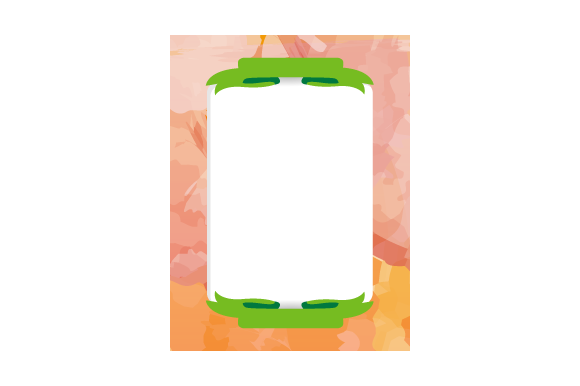
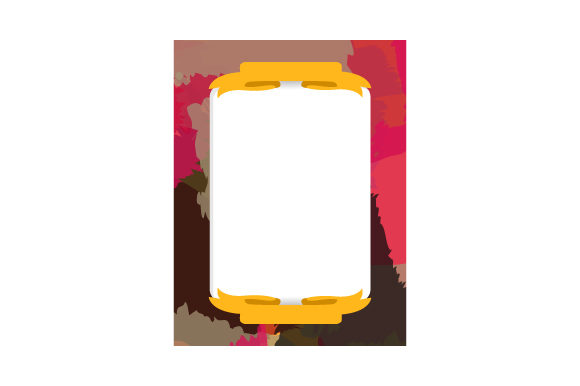
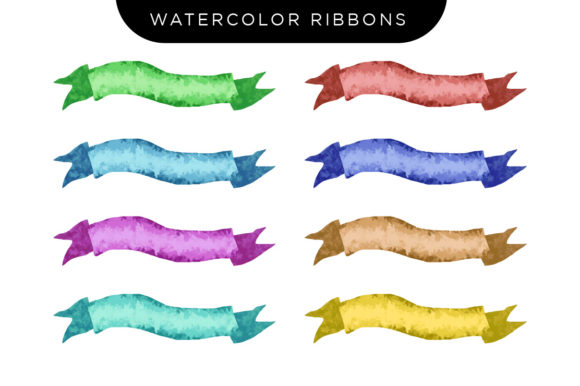
Watercolor Ribbons immediately conveys a sense of softness and elegance. The design features flowing ribbons with a watercolor effect, giving it a handcrafted, organic feel. It’s not overly intricate, but the balance between detail and simplicity makes it adaptable to various embroidery projects. The layout is clean, with enough space to allow the design to breathe without feeling cluttered.
This design would naturally fit into baby items, holiday gifts, or boutique products where a delicate aesthetic is desired. It also works well as an embroidered patch or a decorative element on tote bags and sweatshirts. The theme feels modern yet timeless, making it suitable for both handmade and commercial use.
Real-World Use Cases: Where Watercolor Ribbons Shines
I tested Watercolor Ribbons on a few different fabrics and projects to see how it performed. On a cotton tote bag, the design looked great—its flow and color gradient added a nice touch without overwhelming the canvas. It also worked well on a sweatshirt, where the soft lines complemented the casual, everyday look of the garment.
For baby items, such as onesies or blankets, the design’s gentle nature was a perfect match. It didn’t have sharp edges or heavy details that could be uncomfortable or visually jarring. As an applique design, it would look lovely on a pillow cover or a kitchen towel, adding a personal, artistic flair to home decor.
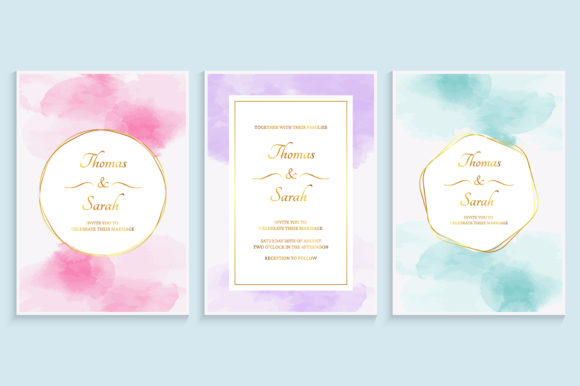
On a cap, the design maintained its clarity, though the curved surface required careful placement. It also worked well as a printable mockup for digital product previews, allowing clients to visualize how the final embroidered item would look before production.
Where to Be Cautious: Limitations and Considerations
While Watercolor Ribbons is versatile, there are situations where it might not perform as well. For example, on small hoop sizes, the design could appear too large or lose some of its detail. If you’re working with textured fabrics or thin, stretchy materials, the stitch density may need adjustment to prevent puckering or distortion.
On dark fabric, the design’s lighter colors might not stand out as much, so testing with different thread colors is essential. In dense stitch areas, the design could become too heavy, which might affect the fabric’s drape or comfort. For tiny lettering or detailed corners, the design may not hold up as well, so it’s best to avoid using it in those areas unless the file allows for fine adjustments.
Impact on Visual Appeal and Customer Perception
Watercolor Ribbons adds a touch of sophistication to any project. Its soft lines and watercolor effect make it ideal for handmade products that aim to feel personal and artistic. When used on a custom apparel piece, it can enhance the overall visual appeal, making the finished product more attractive to buyers.
From a customer perspective, this design can increase perceived value. It gives the impression of care and attention to detail, which can build trust and encourage repeat purchases. For Etsy sellers or small shop owners, it’s a great addition to a product lineup that emphasizes creativity and quality.
Practical Designer Notes: Testing and Preparation
Before using Watercolor Ribbons in a client project or for sale, I recommend testing it on scrap fabric first. This helps determine how the design looks in different thread colors and on various fabric types. Pay close attention to the stitch density—too much or too little can affect the final appearance.
Check the hoop size required for the design. If it’s larger than your usual hooping area, consider whether it will fit comfortably on the items you plan to embroider. Also, inspect small details carefully to ensure they remain clear and intact after stitching.
Test the design in black and white mockups to see how it looks without color. Compare it on light and dark fabric backgrounds to ensure it’s visible and balanced. Using the right stabilizer is crucial, especially on delicate or stretchy fabrics. Confirm that the design is suitable for both personal and commercial use, and always check the licensing terms before selling finished items or digital products.
Conclusion: A Versatile Design with Thoughtful Applications
Watercolor Ribbons is a thoughtful, elegant design that can add a unique touch to a wide range of embroidery projects. Its soft, flowing style makes it ideal for baby items, personalized gifts, and boutique products. However, like any embroidery file, it requires proper preparation and consideration of fabric type, stitch density, and hoop size.
For embroidery designers, crafters, and small business owners, this design offers a blend of artistry and practicality. With the right approach, it can become a valuable addition to your collection of graphic templates and design assets. Whether you’re creating custom apparel, embroidered patches, or digital product previews, Watercolor Ribbons has the potential to elevate your work and delight your customers.